
The Department of Psychological Sciences at Rice University uniquely blends the science of the human brain (e.g., researching the brain, memory, and language) with the science of human behavior and performance (e.g., researching effectiveness and satisfaction in educational and workplace settings). Our breadth of research interests creates a unique learning and research environment. The primary emphasis in the department is on research, in both the laboratory and applied settings.
Message from the Chair
Greetings Colleagues,
I hope your academic year is off to a wonderful start. The Rice University Department of Psychological Sciences continues to grow, with new faculty leading pioneering research, a stellar track record of research productivity, an expanded and renovated space on our beautiful campus, and a recently announced #7 ranking by Niche (a bump from #13 in 2025!).
Four renowned faculty members join psychological sciences department
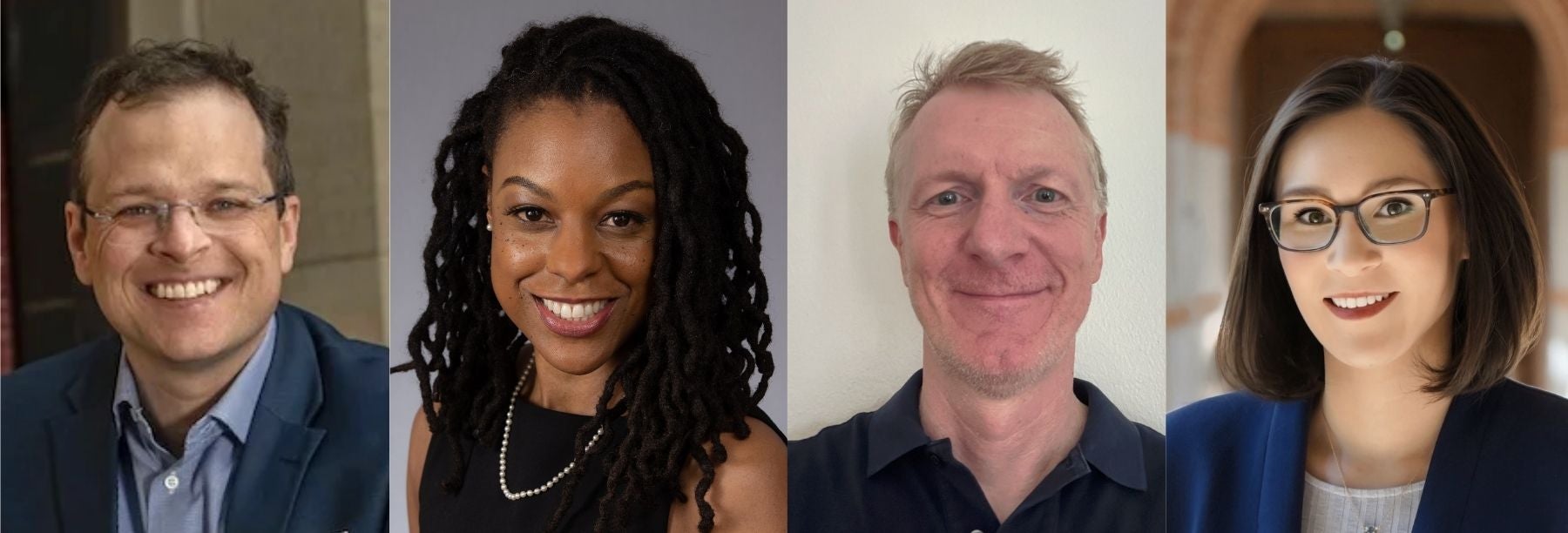
Marc Coutanche is a cognitive neuroscientist whose research examines learning and memory, perception, and developing analytical methods to understand brain function by applying machine learning to neuroimaging. Among other questions, his work asks how we learn, form organized knowledge and successfully retrieve it.
Noni Gaylord-Harden focuses her research on the impact of community violence exposure and traumatic loss on mental health outcomes in Black adolescents and families. The overarching goals of her work are to address disparities in community violence exposure and to develop and implement interventions that promote transformative healing for Black adolescents and families affected by violence.
James LeBreton specializes in quantitative methods and industrial-organizational psychology. His research focuses on psychological measurement, advanced statistical methods, and the application of quantitative techniques to organizational topics, including personality, leadership, team processes, workplace misconduct, as well as the development and validation of psychological assessments.
Alyssa (Allie) Sinclair is a cognitive neuroscientist who studies how people update their memories, beliefs, and behaviors. Her expertise spans learning and memory, belief and behavior change, motivation and emotion, and information consumption. Her research bridges foundational insights about the mind and brain with interventions to promote learning and positive behavior change, relevant to public health, climate change, and education.
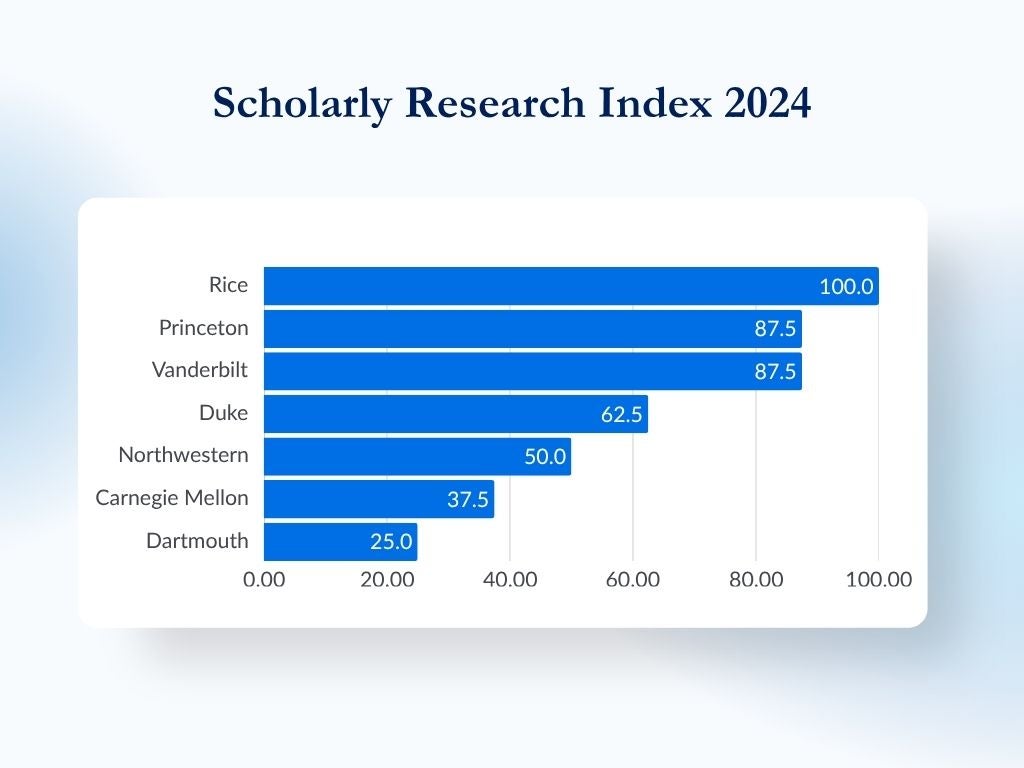 Department Receives High Scholarly Research Index Ranking
Rice University’s Department of Psychological Sciences competes with top programs in terms of scholarly output. Data from Academic Analytics’ Scholarly Research Index ranked Rice Psychological Sciences highest in relation to articles, citations, conference proceedings, federal grants, honorific awards, books, and chapters.
A beautiful new and redesigned floor opens for Rice University’s growing psychological sciences department

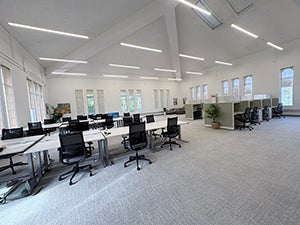
Rice University’s Psychological Sciences Department has experienced substantial growth in recent years with the addition of multiple renowned tenured and tenure-track faculty, signaling a need for more physical space in the department’s home in Sewall Hall. When Serafim Hall opened last year, the Department of Art relocated from Sewall Hall, and a stretch of the fourth floor on the north part of the building was made available for psychological sciences.
Black Identity, Environment, and Health
Class of 2026 | Fernanda Morales-Calva
Psychologists explain why people were so drawn to this mission.